

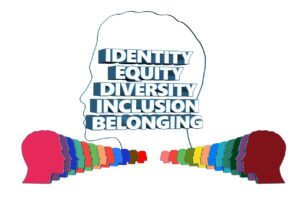
The main topics in equality and inclusion revolve around creating a society where all individuals are treated fairly, have equal opportunities, and are included regardless of their characteristics, background, or identity.
Much of my work on equality and inclusion is in organisations, supporting their inclusion journey. My work includes supporting those who are just starting to those who have been working on this for some time and are looking to review their progress objectively.
What I’ve learnt is that the starting point will be different for each organisation or group. The important thing is to have an honest and open start. A deep level of being prepared to learn and not take everything personally, unless you are taking personal responsibility to make things different, and improve things for all and not just some.
One of the questions I’m frequently asked is, where should we start?
My answer is always the same. Start from where you are. What I mean by this, is that you and your organisation need to start by assessing what you truly understand about the issues of inclusion, the elements of diversity, and the reason for the inequality that exists.
 Many would like to be able to skip acknowledging the history that has brought us all to where we are today, but this is not possible. There are those who have and continue to benefit from our joint history and those who have not and still do not. And this history that I refer to is not only that of race but of gender, disability, LGBT+, and more. Anything in our joint history that has excluded others in any way.
For many this is scary, especially when it comes to race. Senior leadership teams and the individuals that make them up are concerned that they will open a can of worms they are unable to deal with; they might find out they do not know as much as they thought they did; they might have to face some uncomfortable truths about themselves, their organisations, their decision making, and even their families. The truth is that some or even all of this might be true, but you will only know and learn how to deal with whatever the situation is when you take the courage and start to find out. Many of us have to do a bit of unlearning and relearning what we have been taught. Another truth is that none of us have been taught a complete history.
The sense of discomfort and fear that are likely to come up and times as we progress through this process of learning and creating a more inclusive environment for all, is part of the process of change, not only in dealing with these matters but in many if not all areas of life.
Consider this idea. In one of my recent workshops, we were discussing the discomfort that we all feel at times, some more than others when looking at issues of race, privilege, and other areas of inequality. I asked if anyone has ever grown physically. Obviously, everyone raised their hands. I then asked if anyone could remember or at least had heard about growing pains. The growing pains experienced when the bones of children begin to really stretch and extend. There were nods and smiles.
My next question was this, if the bones in our body are so necessary, why should we need to experience the pain of bone growth? I followed this question by making the point that some of the most valuable and important things in life require us to grow and that growth is at times painful. Growth pains can be physical, emotional, or both. When we face things properly, honestly, and openly it requires us to grow. There are times when this is uncomfortable and even painful. We cannot grow unless we face these growing pains and go through them. Each of us came into this world through a process that caused pain for someone.
Yes, there is a lot to inclusion, and it is not one of those projects that have a quick and easy start and finish. Creating true and long-lasting inclusion is a long-term journey of change, the results of which in monetary terms can deliver slow returns but the returns on improved commitment, engagement, and belonging are priceless, laying the foundations for that monetary-term impact deep within the organisation and to clients and customers. Putting you ahead of your competitors.

The main topics which encompass equality, diversity and inclusion are those listed below but not limited to these:
- Gender Equality: Promoting equal rights and opportunities for people of all genders, challenging gender stereotypes, and addressing gender-based discrimination and violence.
- Racial and Ethnic Equality: Working towards eliminating racism, prejudice, and discrimination based on race, ethnicity, or cultural background. This involves acknowledging and celebrating diversity, ensuring equal access to resources, and combating systemic inequalities.
- LGBTQ+ Rights: Advocating for the rights and dignity of lesbian, gay, bisexual, transgender, and queer individuals, as well as those with diverse sexual orientations and gender identities. This includes fighting against discrimination, promoting legal protections, and fostering inclusivity.
- Disability Inclusion: Promoting equal opportunities, accessibility, and respect for individuals with disabilities. This involves removing physical and attitudinal barriers, providing accommodations, and ensuring inclusive practices in education, employment, and society at large.
- Socioeconomic Equality: Addressing economic disparities, poverty, and social inequalities to ensure that everyone has access to basic necessities, education, healthcare, and opportunities for upward mobility. This includes advocating for fair wages, affordable housing, and social safety nets.
- Age Inclusion: Recognizing and valuing individuals of all age groups, challenging ageism, and ensuring equal opportunities for participation, employment, and healthcare across generations.
- Inclusive Education: Promoting educational systems and practices that cater to the diverse needs and abilities of all learners, irrespective of their background, socioeconomic status, or abilities.
- Intersectionality: Recognizing that individuals have multiple aspects to their identity (such as race, gender, sexuality, disability, and socioeconomic status) that can intersect and create unique experiences of discrimination and disadvantage. Understanding intersectionality helps in addressing the complex and overlapping forms of discrimination.
These topics are interconnected and often require systemic changes, policy reforms, and cultural shifts to create a more inclusive and equitable society. Our understanding of each of these will take time. It’s not always possible to address and sort out all of them all at the same time.
But making a commitment and a start, deciding which are the most important for your people and your organisation will help you answer that question, where do we start.
In the next few blog posts, I will share more of my thoughts on each of these eight topics.

Leave a Reply
You must be logged in to post a comment.