
 If you understand what diversity, equality, and inclusion really mean, who wouldn’t?
The question always comes back though, to how much organisations really want to see change, on the Diversity, Equality, and Inclusion (DEI) front. But let’s look at it a bit deeper. An organisation is an entity in its own right legally. However, the decisions are made by people. Individuals and it will always be in the hands of individuals to ensure that progress on DEI is successful.
My work and experience have shown me that there are some really committed decision-makers at senior levels pursuing, challenging, and working to bring about a greater level of inclusion in our workplaces. I would add though, not enough in some areas. There is, however, still a need to find ways to make DEI more successful. We’ve not moved the gauge as much as we would have hoped to have done by now. There is resistance, resistance due to failure to understand and see the benefits of diversity and inclusion, done right, makes for everyone.
Employees want to work in workplaces that are inclusive. They want to be heard and have a voice and they want the place where they spend so much time, even if much of the time is virtually but in their mind, where diversity can thrive.
Diversity, Equality, and Inclusion.
We are so bombarded with words and information on the topic these days that we make assumptions about our own understanding of these three words. I like to take a different look at them every now and then to see if I can find a slightly different perspective. I’m just going to look at diversity for the moment.
What would your answer be if I asked you for a definition of diversity?
Here are some of my answers.
There are different lines of diversity when you look more deeply at it. So, let’s take a little look at what that means.
Diversity is anything that differentiates one person from another.
When we think of diversity the first things that come to our mind are our ‘visible’ differences. Whether we look the same i.e., gender, skin colour, hair colour, ethnicity (when we consider it obvious), how many working limbs or not, what we’re wearing, etc. Think about this. When you look at someone else, what do you see? Do you really see them?
 There are the non-visible differences we might have. Examples of these might include differences in our religion, culture, mental health, preferences, experiences, etc. How would you truly know the non-visible differences of another person? What assumptions do you make about the non-visible differences as a result of your interpretation of their visible differences?
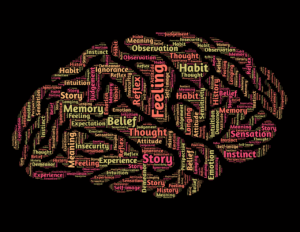
And then there is the type of diversity that many people don’t talk enough about directly, but these fuel the wider activities of what we create and experience and that is cognitive diversity. Cognition is about our thinking, our thoughts, what and how we think.
Diversity of thought. This exists not only individually but also organisationally too. What modes of thought are considered acceptable or allowable within our teams and organisations? Is it safe to challenge thought and more importantly, how aware are we of the thoughts we have which are affecting our decisions and behaviours? How aware are you that people from differing backgrounds, cultures and experiences may have completely differing thoughts and ideas on everyday things than we do?
Yes, I’m talking about unconscious bias but I’m also talking about our personality types or our practised preferences where how we think are concerned.
 We know that people tend to recruit people like themselves. This is usually because they have an inner belief or idea that this type of person will make their lives easier because they will think as they do and therefore make similar decisions. Therefore, we surmise, there will be less change, less change, fewer obstacles for me and what I want. This is actually a state of weakness, lack of courage, and bravery which supports the status quo.
For our awareness of where we are in terms of our recognition and understanding of cognitive diversity, we have to be prepared to do some self-awareness exploration of ourselves both for ourselves and for the benefit of those we lead.
In more recent times, we have heard the term neurodiversity, and this is inclusive of cognitive diversity which like many other areas has levels and spectrums to it.
In the workplace, particularly in the corporate arena, we want everything to be done and completed at speed but when we’re working with people that is not always possible. DEI needs levels of quality attention and time.
To really make changes in DEI we need to both understand and truly work on the three main areas of the topic at all levels.
 So how might we really begin to get a stronger handle on measures to improve, really, actually, practically improve diversity in our organisations? I would recommend that we do more on delving into our personal cognition. Our learnt, practiced, and preferred ways of thinking leads to our unexposed decision-making, responses, and preferences. Only then will we at leadership levels discover why we are not bringing about the levels of inclusive change we should have achieved by now.
If you’d like to find out more about how you can begin this process do reach out.

Leave a Reply
You must be logged in to post a comment.